
Burnout Therapy in Raleigh, NC
When rest doesn't fix it, it isn't a rest problem.
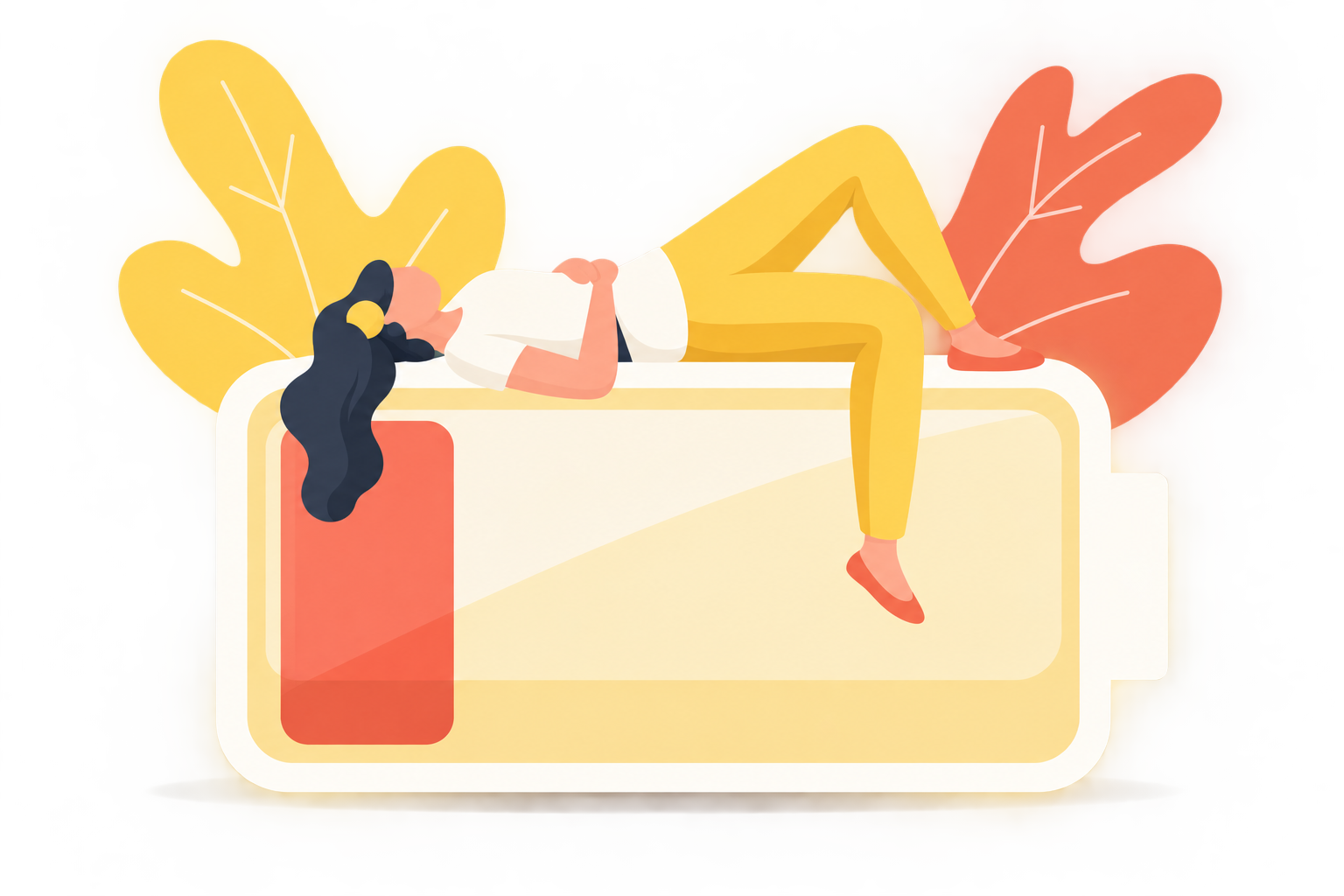
You've tried the things. You took the vacation, set the boundaries, maybe even changed jobs. And you still end up feeling the same.
That's because burnout isn't something you fix by just coping better. It's something you fix by understanding what's actually driving it, and what needs to change.
I'm Dr. Beth Vincent, a Licensed Clinical Mental Health Counselor and the founder of WorkLife Co. I've been working in counseling, teaching, and career development since 2013, and burnout is the center of my practice. I see clients in person in Raleigh and virtually across North Carolina, including Durham, Cary, and the wider Triangle.
Signs it might be burnout

Burnout rarely announces itself. It builds slowly, and high achievers are especially good at explaining it away. Here's what I hear most often:
You're exhausted in a way sleep doesn't touch
Work you used to care about feels flat or pointless
You're more cynical, irritable, or checked out than you want to be
Focusing takes twice the effort it used to
You keep performing on the outside while feeling empty on the inside
Rest feels impossible, or guilt shows up the second you slow down
If several of these sound familiar, you're not broken and you're not lazy. Your system is telling you something isn't sustainable. Therapy is where we figure out what.
The burnout I see most often:
Burnout doesn't look the same on everyone. These are the patterns that show up most in my Raleigh office and in virtual sessions across North Carolina. You might see yourself in one of these, or in a few at once.

High-achiever burnout
You're still hitting every deadline. Your reviews are good. Nobody at work would guess anything is wrong, which is exactly the problem, because you've gotten so skilled at performing that even you lost track of how empty it feels. For a lot of my clients, achieving became a way of proving worth long before it became a career. When that's the pattern, no amount of success ever feels like enough, and rest feels like falling behind. This is the burnout I know best, and it responds well to therapy that looks at the identity underneath the output.

Helper & healthcare burnout
Therapists, nurses, physicians, teachers, social workers, nonprofit staff. You chose work that asks you to give, and somewhere along the way the giving stopped replenishing and started draining. Maybe you're snapping at the people you care about, or feeling numb toward the clients and patients you used to feel deeply for, and then feeling guilty about that on top of everything else. I've spent my career training, supervising, and supporting helpers, and I understand the particular weight of burnout in a job you're supposed to love. Yes, therapists come to therapy here. Often.
Burnout for women carrying it all
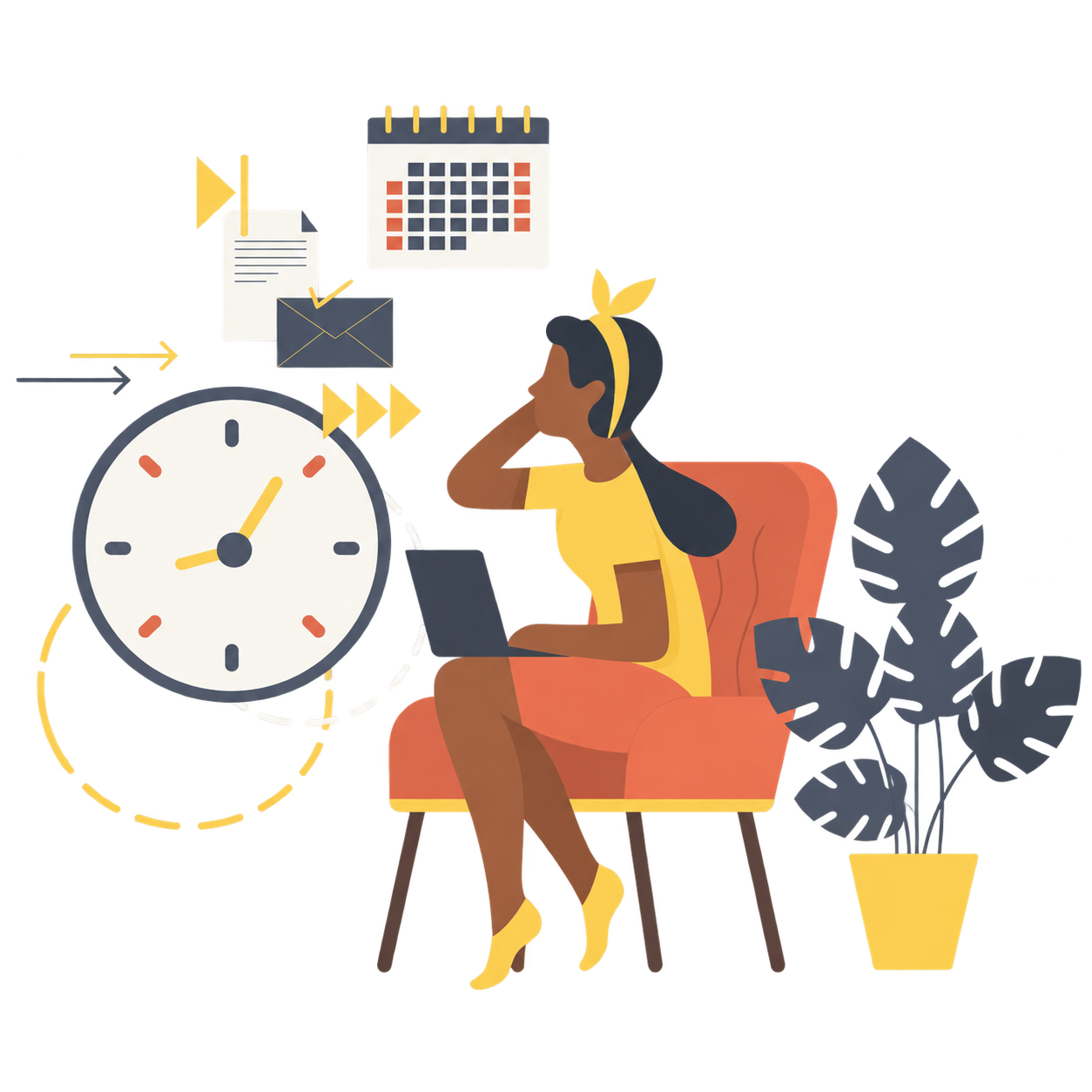
Maybe you're the one holding a demanding career plus the invisible load at home. You're the default parent, the family scheduler, the one who remembers the birthdays and notices when the dog needs a vet appointment. Or maybe you're single and high-achieving, and your career became your whole identity because you built everything yourself and there was never anyone to split the load with. Either way, the math stopped working a while ago, and "self-care" advice feels almost insulting when the real issue is that you're carrying more than one person can carry. We look at what you're holding, why putting it down feels impossible, and what actually needs to shift.

Entrepreneur & small business owner burnout
When you own the business, there's no boundary between you and the work. Every slow month feels personal. Stepping back feels like watching your own creation wobble. Solopreneurs and practice owners come to me exhausted by decision fatigue, guilt about growth choices, and the particular loneliness of being responsible for everything. I run my own practice, so I know this terrain from the inside, and we can work on both the internal pressure and the practical decisions.

Academic burnout
Not the student version. I mean faculty, postdocs, grad students, and researchers navigating publish-or-perish pressure, invisible service loads, and institutions that ask for more every year. I spent years in academia as faculty before moving into full-time practice, and the Triangle is full of brilliant people quietly running on fumes at its universities and in RTP. If your identity got fused to your CV somewhere along the way, this is a place to untangle it.
How burnout therapy works here

Most burnout advice focuses on symptoms. Sleep more, say no more, meditate more. Those things matter, but they don't explain why you got here or why the exhaustion keeps coming back.
I work from a framework I use with every client: Self, Work, Environment. Burnout lives in how these three interact, which is why fixing just one rarely holds.
You. The internal pressure, identity, and patterns that make it hard to slow down or step back, even when you need to. For a lot of my clients, achieving became a way of proving worth long before it became a career.
Your work. Boundaries, decision-making, and the ways you've learned to take on more than is sustainable.
Your environment. Your workplace, its expectations, and the systems shaping your experience, so you can stop blaming yourself for things that aren't yours to carry.
Together, this helps you understand what's actually driving your burnout, and where change needs to happen.
My style is warm, direct, and structured. I'm not the kind of therapist who will sit back and nod without helping you move forward. There's space for reflection, but also movement. We're not just talking about what's happening. We're working toward changes you can feel in your day-to-day life.
I primarily use Acceptance and Commitment Therapy (ACT), along with parts work and emotion-focused approaches, tailored to how you actually think and operate.
Not sure if you need therapy or coaching?
WorkLife Co offers both. Therapy is for North Carolina residents and goes deeper into mental health, history, and patterns. Coaching is available nationwide and focuses on forward movement around work, career, and burnout recovery. If you're not sure which fits, that's exactly what the free consultation is for.
Questions people ask about burnout therapy
-
Sessions are $175. I'm a self-pay practice, which keeps our work private and flexible. I provide superbills you can submit to your insurance for possible out-of-network reimbursement.
-
I don't bill insurance directly. Many clients receive partial reimbursement through out-of-network benefits using the superbills I provide, and I'm happy to walk you through checking yours.
-
Both. I see clients in person in Raleigh and offer secure telehealth to anyone in North Carolina, including Durham, Cary, Chapel Hill, and beyond.
-
They can look similar and they sometimes overlap, but they're not the same. Burnout is usually tied to chronic stress in one domain, most often work, while depression tends to spread across all areas of life. Part of our early work is clarifying what you're actually experiencing so we treat the right thing.
-
It depends on how long the patterns have been running and what needs to change. Some clients feel meaningful relief within a couple of months. Others stay longer to work on the deeper patterns underneath. We set clear goals early and check progress as we go.
-
Sometimes it is. Therapy won't pretend a toxic workplace is a mindset issue. If your environment is the driver, we focus on clarity, boundaries, and decision-making, including whether to stay, change how you engage, or plan an exit.
Ready to feel like yourself again?
Every decision we make is shaped by a clear sense of purpose. Our journey has been anything but ordinary. Through every step, we've focused on staying true to our value. You don't have to white-knuckle your way through another season of this. Schedule a free 15-minute consultation and we'll figure out together whether we're a good fit.s and making space for thoughtful, lasting work.